What to Look for When Buying a House: 5 Red Flags
I absolutely love touring houses and over the years, I’ve come to see a lot. Now, what gets interesting is that it seems like no matter how nice the neighbourhood, there are some deal breakers that instantly make prospective buyers tell me that they’re ‘done looking,’ at a home and causes them to head for the hills.
Here, I’ll break down five of the most common things that cause potential buyers to run away.
1. Poorly Installed (wavy, bumpy) Flooring
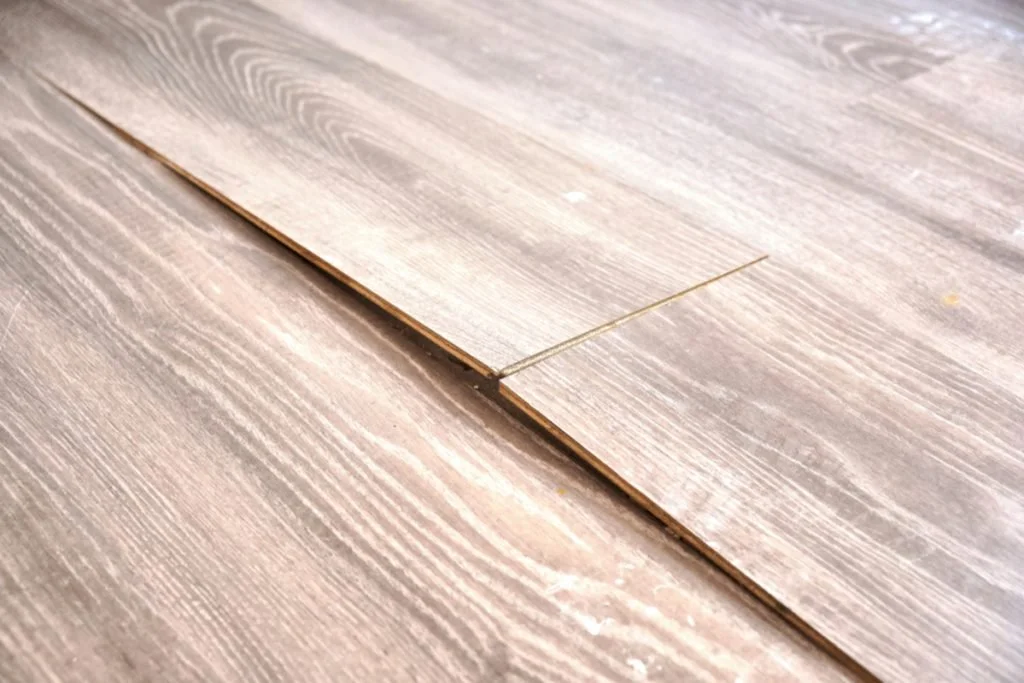
Source: BC Floors has a whole article on how to prevent laminate from buckling.
I don’t know how many homes I’ve walked through that give you an immediate sense of unease underfoot. It’s like the floor is soft and squishy, sometimes even ‘hilly’ underneath me, even though it’s covered by laminate or LVP.
This is most often caused by a home owner or flipper installing floors on a poorly prepared subfloor (or sometimes, right overtop of carpet!).
Floors that are uneven need to be levelled first and any sub-quality subfloor panels replaced.
I don’t know why, but these preparation steps are missed in a lot of homes I’ve seen…. and it’s even been evident that the homeowner didn’t even rip out carpet before installing the new floor. Maybe they thought the old, musty carpet would add some softness to the hard laminate? (<-now I’m going crazy trying to rationalize WHY someone would do this).
Just because some types of flooring are marketed as DIY-able, it doesn’t mean that you should. Given that whoever lives in the house will feel those floors with every single step they take, the sense that something is ‘wrong’ with them drives potential buyers crazy enough that they know they can’t over look them.
2. Evidence of a Novice’s ‘quick flip’
With the above in mind, I won’t mention the floors again, but they are a dead giveaway of this.
There’s nothing wrong with a flip. When done correctly, the process should take one of the worst homes on the street to being on par or at the top of the pack when compared to the rest of the block. People who take the time to identify these hidden gems and poor quality craftsmanship into them deserve to be paid for the work they put in.
The problem becomes that when the work that gets put in has to be redone, the value of the ‘upgrades’ is lost.
This can be when the flipper buys cheap materials, does a poor job on installs/updates, or all of the above.
The nice photos will get people through the door - specifically people who want to buy a home with nice finishings (that they don’t have to install).
Buyers see the value of a flip when they are feeling like they’re in a home that doesn’t require them to lift a finger… But as soon as that feeling is lost, buyers are heading for the door.
If you’re a flipper, know the limitations of what you can do - and where to outsource to a contractor. Nothing will burn your returns faster than a house you have to carry longterm because buyers are running away in droves.
3. Asbestos, knob and tube and other tell-tale signs of health hazards
So many home improvement shows are filled with homes with ‘good bones.’
And, well, good bones are great, but mostly when you don’t have to go right down to the studs to see them.
No one wants to go through a costly abatement to remove asbestos, or through the nightmare of facing a home insurance denial until all of a home’s electrical can be redone (and try doing this without putting massive holes in the walls).
These kinds of issues can compound, leaving you with an expensive set of repairs and/or health hazards in your home.
What do you do if your home has these?
You can take on the fix yourself, or at the very least disclose them to potential buyers (when they’re known to you). If you’re not willing to fix, then at least you’ll know that it will take a special buyer to take on the updates & hopefully, you’ll price your property accordingly.
4. The smell of a heavy smoker

Luckily, smoking isn’t as popular as it once was, so this is becoming more rare, but it’s far from gone. In fact, I just toured one this summer. The pictures had looked great. The price was astounding.
But then we opened the door… oh my god.
The heavy, irritating smell that permeates a smoker’s home can very quickly devalue the property, as well as pose a huge challenge for prospective buyers to overcome.
While heavy duty paints and primers (shout out to Killz) can help, as can removing ‘soft’ textiles that have been imbued with smoke, like carpets and drapes, sometimes, nothing but getting down to the studs will actually get rid of the smoke smell.
My grandmother was a heavy smoker, and when she sold the home to a family member, he had to remove the drywall to get rid of the smell. Yes, he tried to paint it with products intended for the job, but would soon find nicotine drips emerging from the walls.
Ew.
5. Watermarks or peeling/falling ceilings

It’s no secret that water that pools often breeds mold.
When potential buyers see watermarks or stains on ceilings their imagination often pictures that the worst (moldy insulation or still-leaking pipes/roof) is still hiding up above.
If you’re selling a home and know what the stains are from and have evidence of the repairs that were conducted, then these receipts and details can go a long way in putting minds at ease.
However, if you’re not sure where they’re coming from, then there’s no harm in getting your own home inspection done - or contacting another professional, like a plumber or roofer (depending on what is above your stained ceiling) to investigate.
What to do if your home has these buyer ‘turn offs’
Of course, ideally your home wouldn’t have any of the above issues. The best case scenario is always to take care of problems before listing your home and ensuring that you well-document all the fixes.
However, that’s not always possible.
So, if your house for sale has these unfortunate attributes, remember that disclosing known issues up front can make all the difference. Nothing feels worse to potential buyers than the feeling that something is hidden, so the more information you can provide on the home’s condition, what has been done (or will be done) to fix their concerns and more, can do wonders for putting people at ease and setting the right expectations.
Learn more about the home sale process here.
Have you toured homes that have sent you running away?
What else would you add to this list? I’d love to hear about it in the comments below!